
The Fascination of the Abandoned
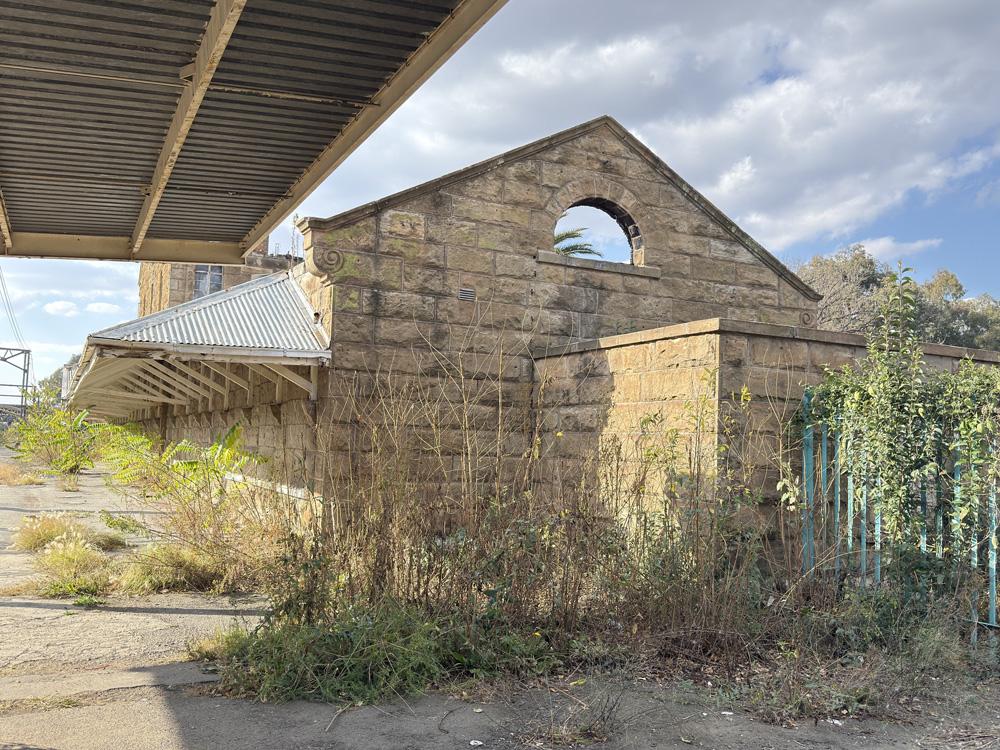
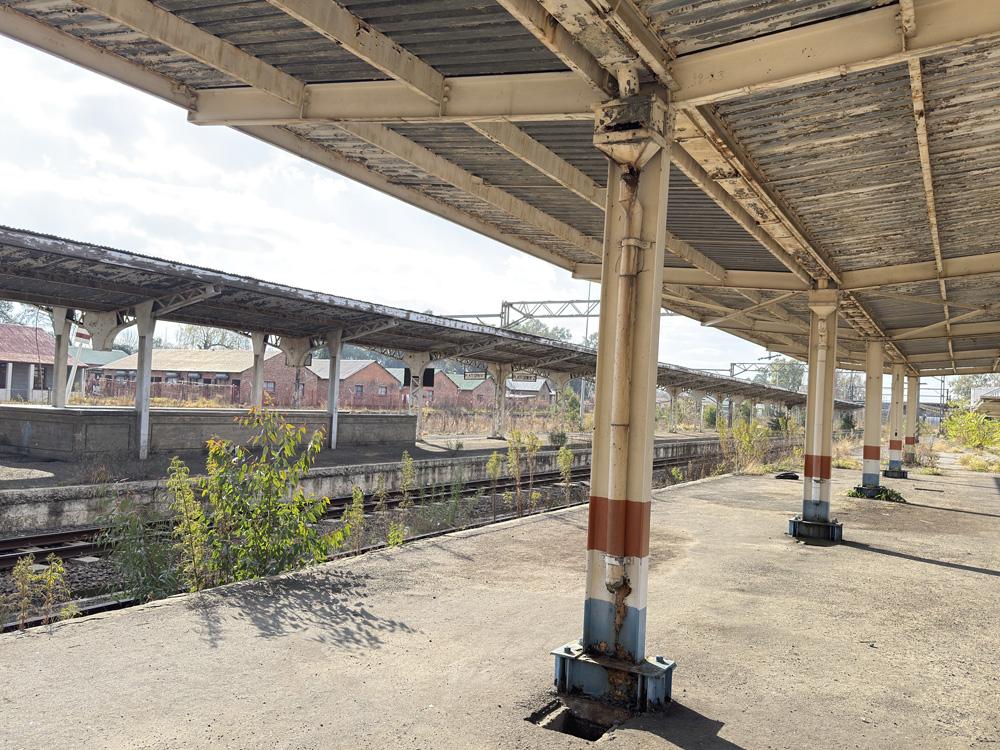
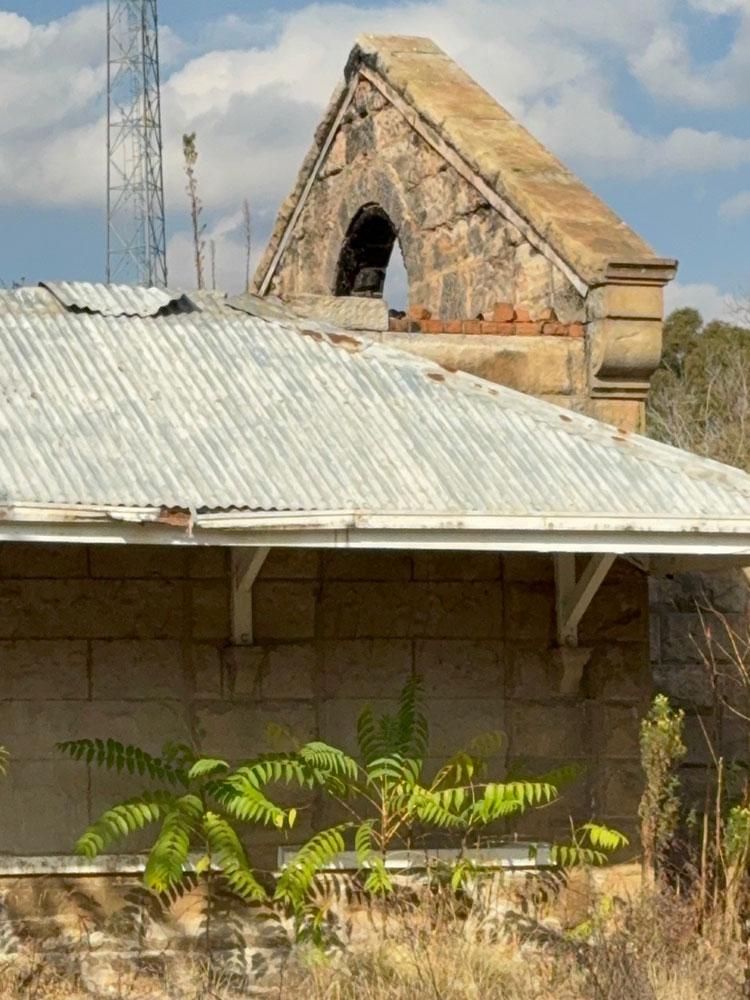
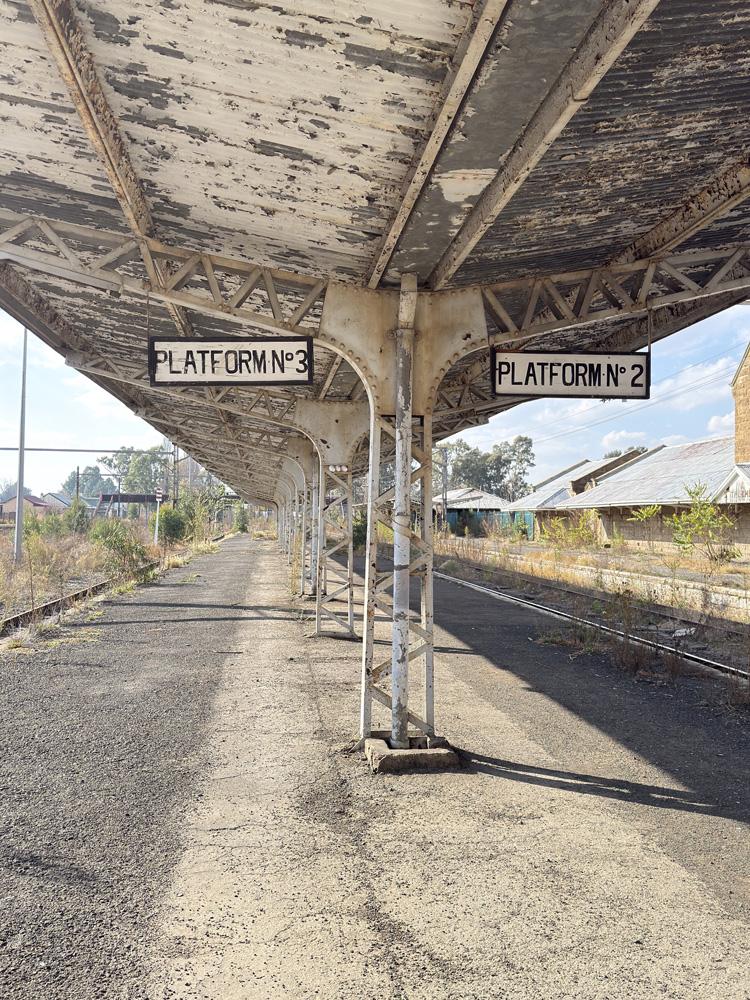
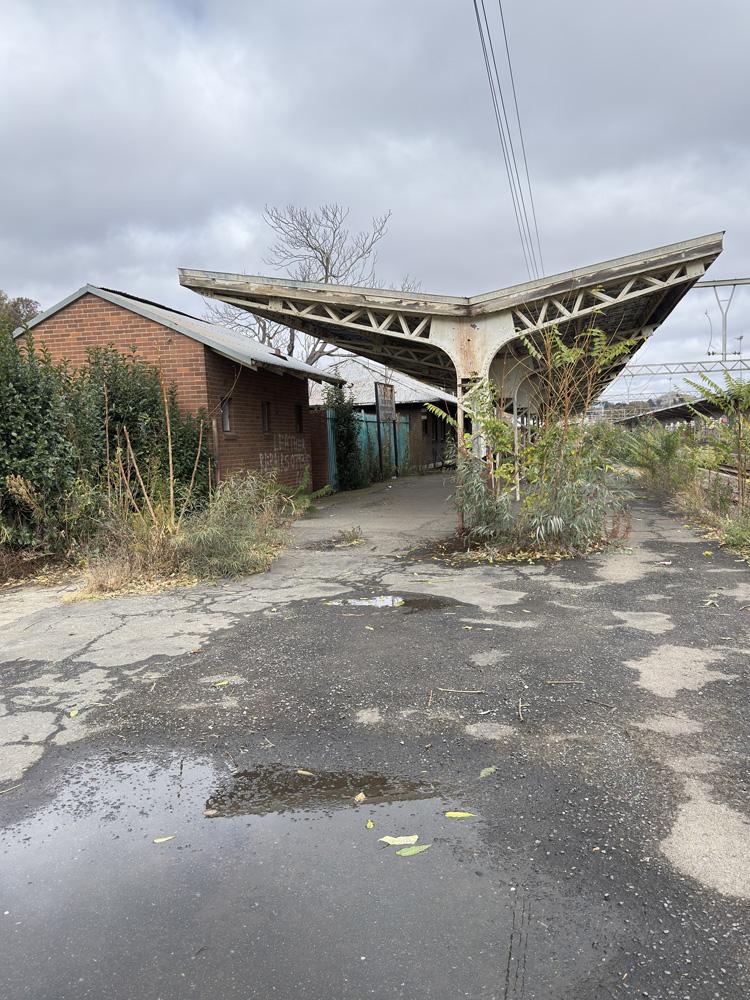
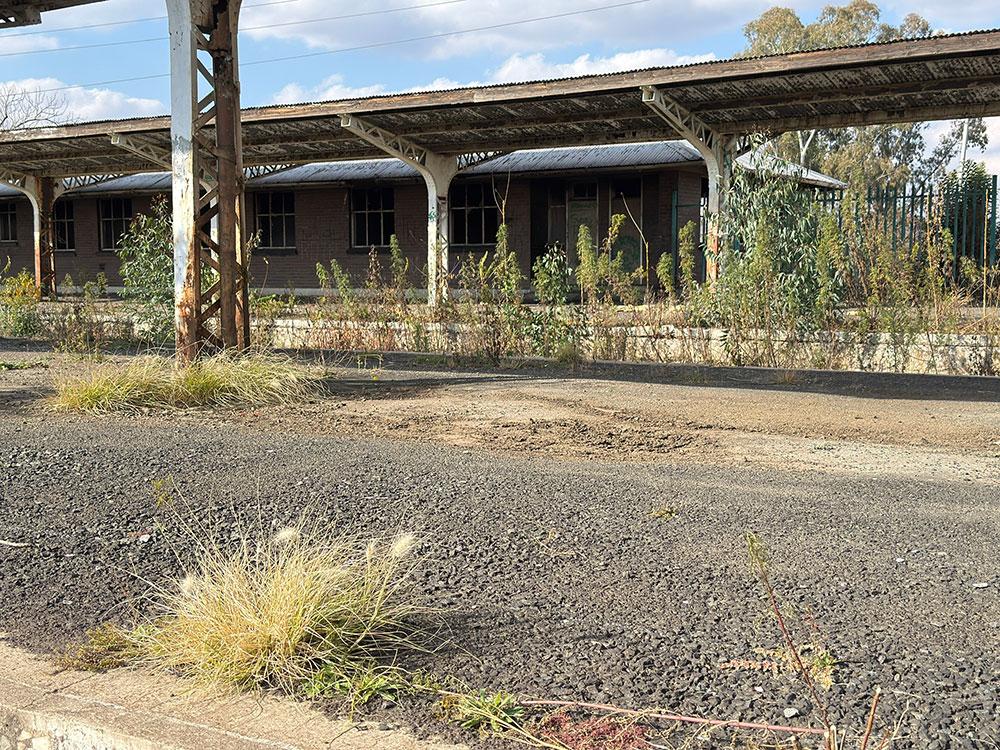
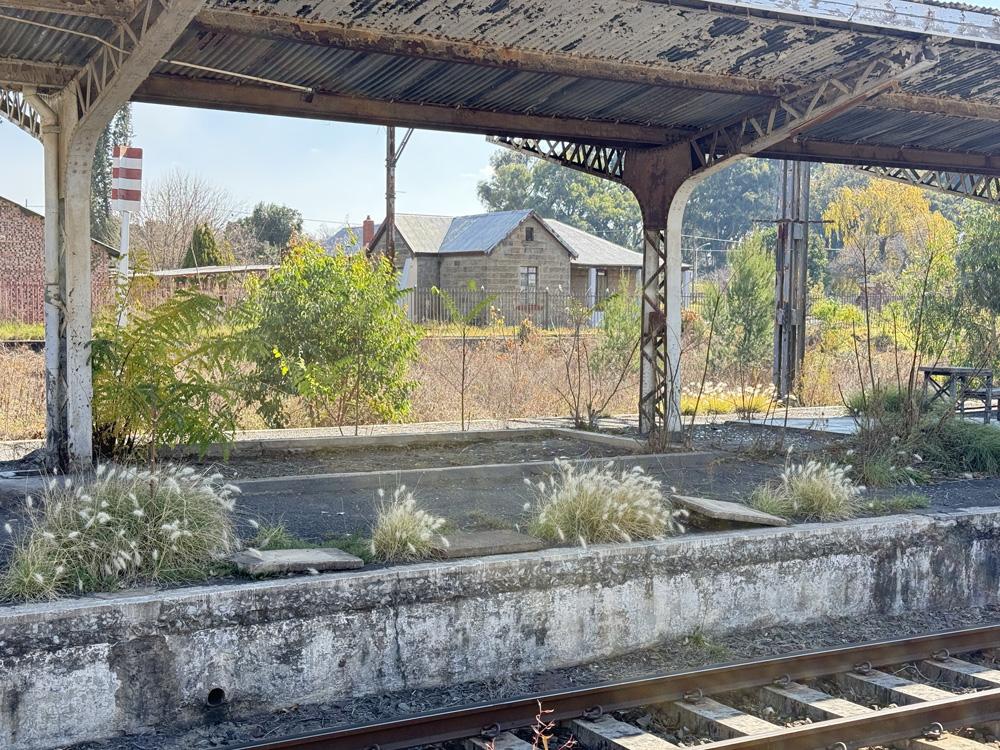

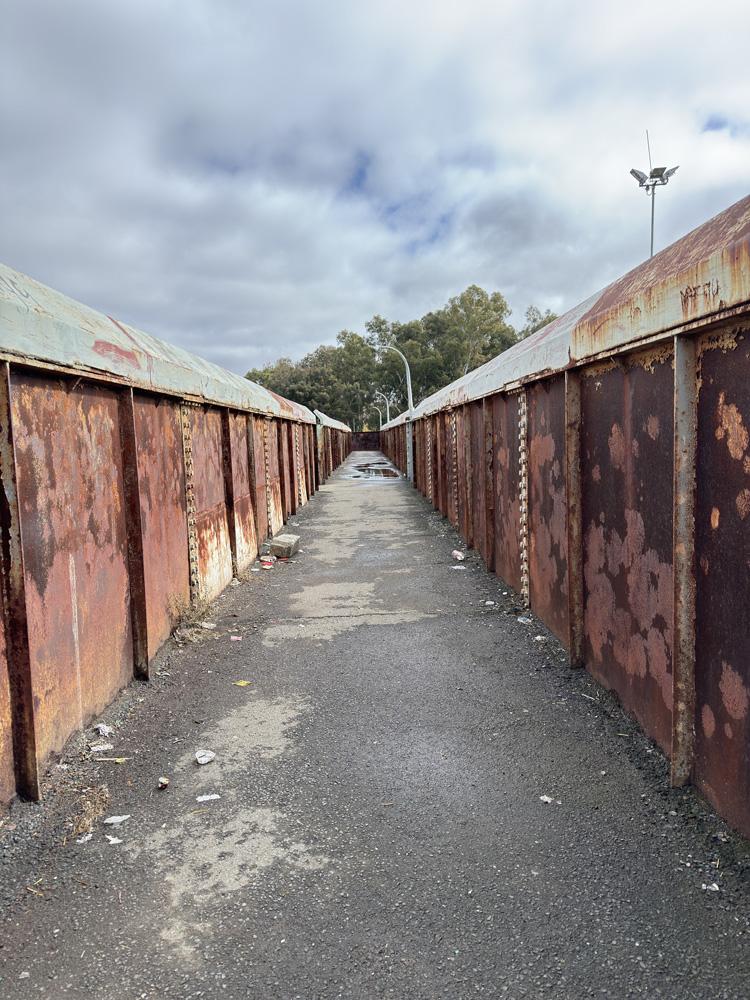
Visiting abandoned places and structures has always held a particular appeal for me. Perhaps it is the artistry of the craftsmanship, the mastery and perfection achieved during a period when tools and machinery were far less sophisticated than they are today. While architectural styles continually evolve to suit modern tastes, the designs of the past possess an enduring charm that evokes both awe and wonder. One cannot help but admire what was without the technology and machinery we now take for granted.
There was a time when builders were known as Master Builders, craftsmen whose skills were acquired through years of dedication and practical experience. A journeyman bricklayer, for example, was a fully certified professional who had successfully completed a formal apprenticeship and was recognised as having mastered the craft. Beyond that stood the master mason – a highly experienced artisan who not only laid bricks flawlessly but also possessed extensive knowledge of structural design, complex arch-work, and the restoration of historic buildings.
The same level of expertise was evident among stonemasons and master plasterers. A master plasterer would typically have accumulated thousands of hours of experience, mastering both the art and science of plastering. Their work ranged from basic skimming and heavy rendering to intricate decorative finishes, including Venetian plastering and heritage restoration.
What fascinates me about abandoned buildings is how clearly the influence of these masters remains visible. Many of these artisans never pursued academic careers. Instead, they followed a different path, learning skills passed down from generation to generation. They were trained by masters of their respective trades, and the quality of their work continues to inspire admiration and respect long after they are gone.
These buildings were never merely a matter of erecting walls and adding a roof. They possess an artistic quality that extends far beyond their practical purpose. Consider, for example, old railway stations. Today, architects might prioritise a north-facing elevation to maximise sunlight, but the station master’s concern was often different. The main station building was positioned in relation to the railway tracks and the needs of the travellers it served. Function, craftsmanship, and beauty existed together.
As nature slowly reclaims these abandoned places, their weathered walls and fading details tell stories of the people who built them. They stand as monuments to skill, patience, and pride in workmanship, leaving the modern visitor with a sense of wonder and a deep respect for the masters who shaped them.